
The Importance of Fascia
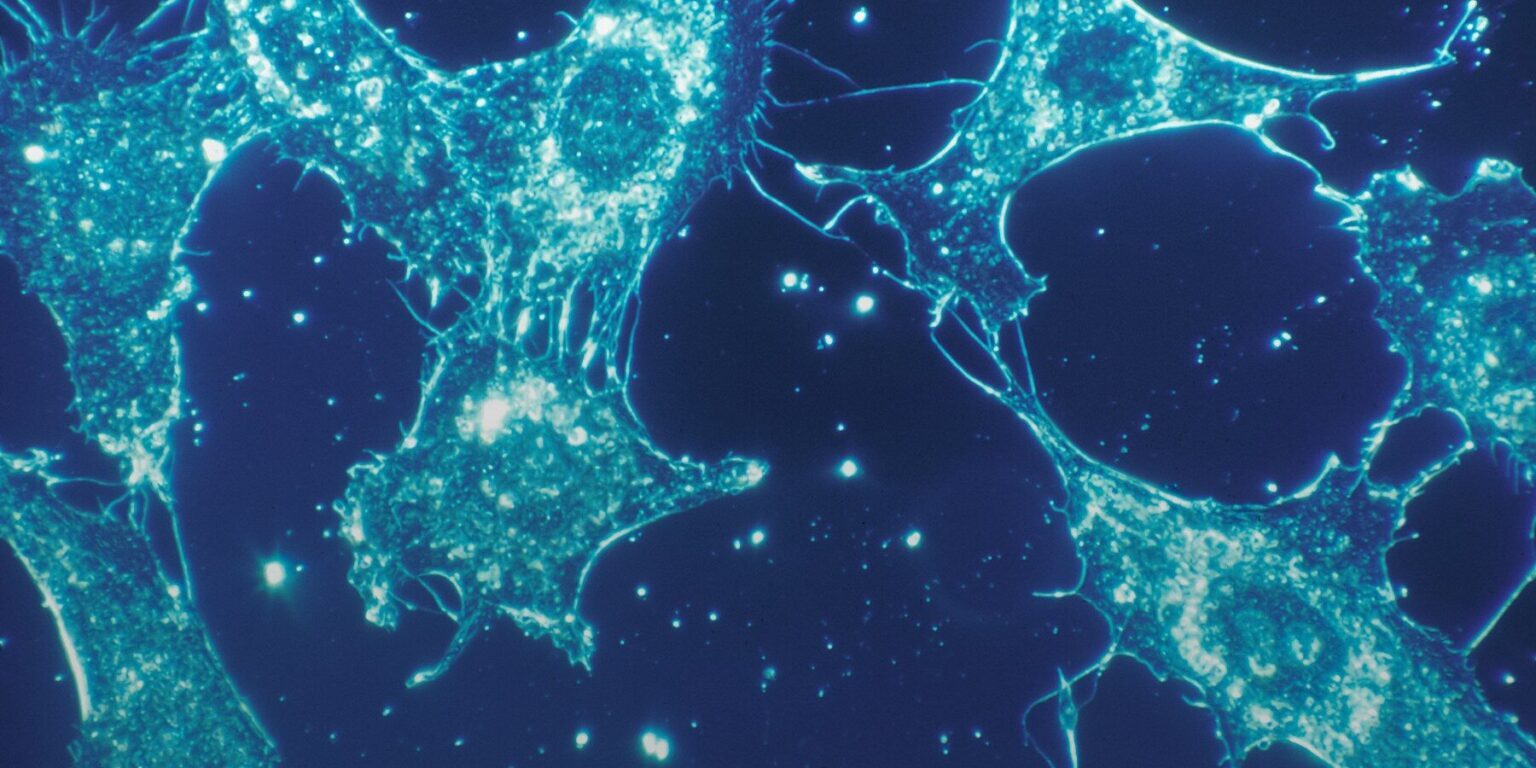
Most people have heard of fascia but don’t really know what it is, what it does, or why it’s important. There are therapies that focus primarily on the fascial system of the body, such as Craniosacral Therapy or Myofascial Release massage . I’d like to give a quick description of its composition, its relevance, as well as how to take care of this somewhat nebulous body system.
Definition first: Fascia is a band or sheet of connective tissue, which varies in thickness and lays deep to the skin, that attaches, stabilizes, encloses, and separates muscles, bones, nerves, blood vessels and other internal organs.
Everywhere: This connective tissue is found in all parts of the body, even as suspensory structures or containment by encasing an organ. It is the most abundant and widely distributed of the tissue types. Sometimes thick spots are given specific names, such as aponeurosis or retinaculum, but they all share in the fibers which make up the connective tissue system. A common example is when handling raw chicken and you observe the clear tissue that needs to be cut away in order for the skin to be taken off, or the meat separated from the bone. It wraps every structure in the body from head to toe connecting, yet also separating, and giving structure to the various body parts.
Composition: Fascia is composed mostly of collagen, elastin and reticulin fibers, which are the relatively more structural aspects of its make up. These fibrous proteins are what give it shape and strength. But fascia also includes soluble and insoluble polysaccharides and protein molecules in the space between cells allowing the passage of nutrients to various cells. Together, fascia is a continuous, fibrous network carrying active molecules allowing for the body to bend, stretch and resist gravity as well as feeding the various tissues.
Tensegrity is a term I first read about by Tom Myers, LMT in his fascinating book, “Anatomy Trains“. Tensegrity is defined as tension + integrity, or also described as “…structures that maintain their integrity due primarily to a balance of woven tensile forces…” Just like the chicken, fascia does not stop and start. It is uninterrupted through the whole body transmitting mechanical tension and absorbing external forces.
Three whole-body systems: The nervous system, the circulatory system, and the fascial network are the only three systems that span the entire body, and would retain the shape of the body if all other tissue was stripped away. These three systems intertwine and communicate globally.
Here are some ways to take care of your fascial system:
- Drink plenty of water: hydrating your cells and your fascia is hugely important. The soluble, gel-like substance of fascia is made of molecules that are very good at absorbing water, rather like a sponge, such that 90% of the extracellular matrix is made up of water. This means that the “gel” is very good at resisting compressive forces.
- Move: bend, flex, extend, stretch. Davis’ Law states connective tissue cells actually differentiate and arrange themselves in accordance to meet the needs of the activities or injuries. When fascia is mobilized it responds by laying down new cells. This response to demand is known as “plasticity”.
- Bodywork therapies: help in expanding and releasing bound up areas of fascia in order to improve circulation through the tissues.
The fascial system is primary to each of the therapies I practice:
- Acupuncture: retention of a needle in the tissues causes a change in pressure and tension, which communicates through the matrix and generates bioelectric signals. Acupuncturists call this “grasping Qi”. The needle will actually be bound in the fibers of the fascia stimulating a long line of fibers effecting other areas of the body.
- Craniosacral Therapy: assessing restricted areas and using the bones as “handles” to release the planes of fascia in and around the structures.
- Visceral Manipulation: assessing primary lines of tension within the body and gently mobilizing internal structures, such as suspensory ligaments or the organ itself.
I hope this offers some understanding of the fascial system. There is far more to write about the intricacies and functions of fascia but I will have to save it for another newsletter.